
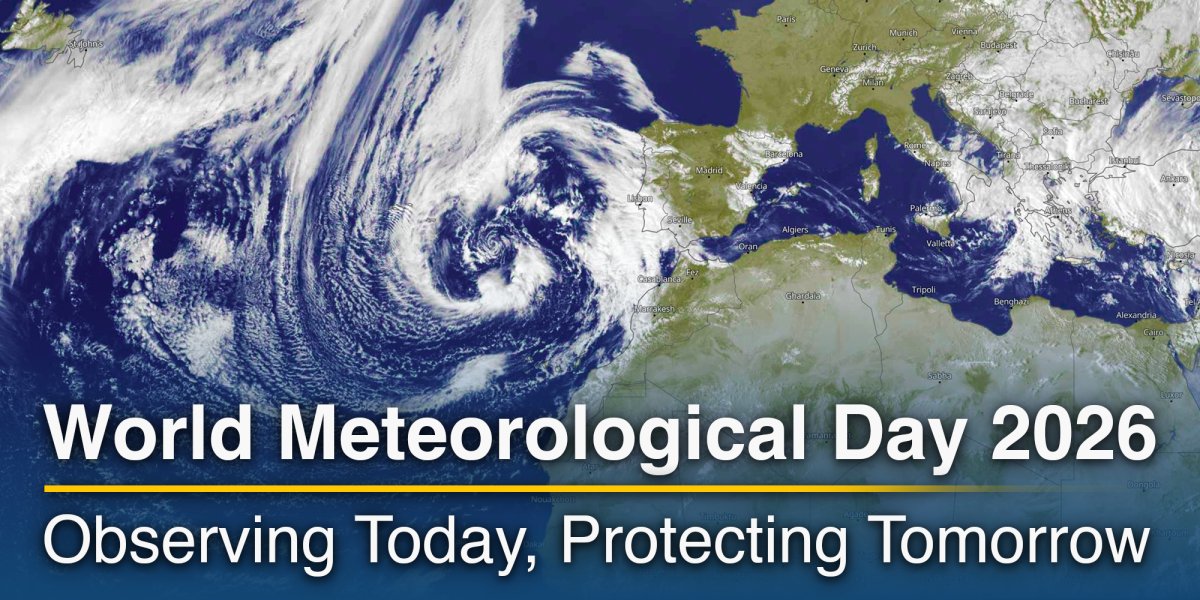
The date marks the entry into force of the convention that created the World Meteorological Organization (WMO) in 1950, an institution that has since become central to international cooperation in meteorology, climatology, and hydrology.
The WMO has its roots in the International Meteorological Organization, founded in 1873 to share weather observations across borders. In a world where the atmosphere knows no boundaries, this early collaboration laid the groundwork for today's global observing and forecasting systems. Since becoming a specialised agency of the United Nations in 1951, the WMO has coordinated a network of national meteorological and hydrological services, enabling the free and rapid exchange of data that underpins modern forecasts.

First celebrated in 1961, World Meteorological Day aims to raise awareness of the critical contributions meteorological services make to public safety, economic stability, and environmental protection. From daily forecasts to early warnings of extreme weather, these services support agriculture, aviation, energy, disaster risk management, and many other sectors.
Each year, the WMO selects a theme that reflects current challenges and priorities in weather, climate, and water. This approach keeps the day relevant, highlighting emerging risks, fostering dialogue between scientists and policymakers, and showcasing innovation. The theme for 2026, "Observing Today, Protecting Tomorrow", focuses on the essential role of Earth observations.
Every forecast relies on a vast global network of satellites, weather balloons, ocean buoys, aircraft, and thousands of ground stations that continuously record atmospheric conditions. These observations form the backbone of weather and climate intelligence, enabling accurate forecasts and timely warnings. As climate change increases the frequency and intensity of extreme weather, the need for reliable, accessible information has never been greater. Even a short warning can save lives and reduce damage.
Despite progress, gaps remain in the global observing network, particularly in developing countries and small island states. These gaps not only limit local forecasting but also reduce the accuracy of global models, emphasizing the importance of investing in observation systems worldwide.
World Meteorological Day 2026 also highlights the people behind these efforts. From experienced forecasters to young scientists, and from local observers to international research teams, a dedicated community works every day to transform raw data into practical information. New technologies such as artificial intelligence and advanced computing are improving forecast precision and supporting impact-based warnings.
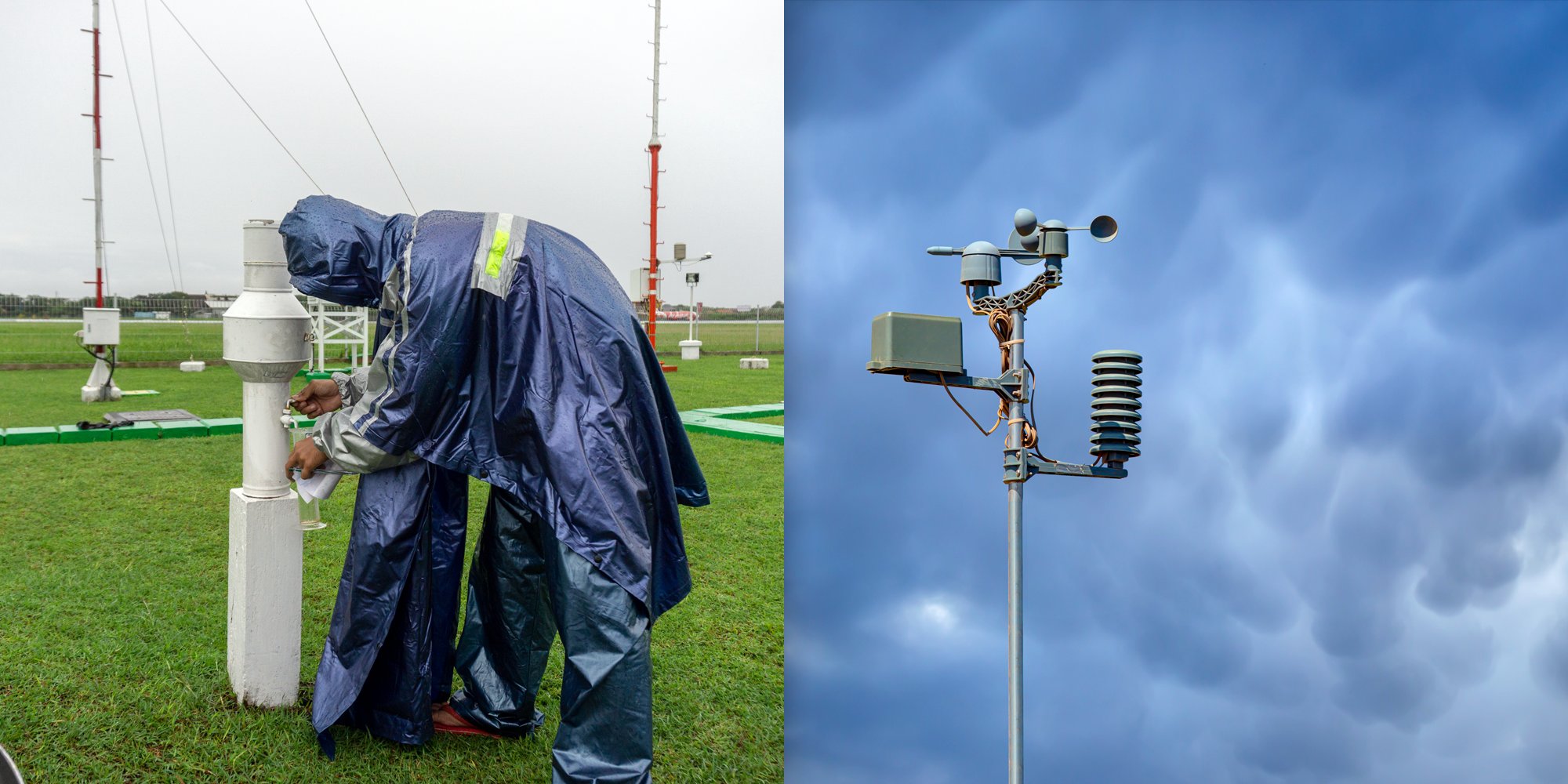
For companies like meteoblue, this mission is central. By combining high-resolution weather models with real-time observations and nowcasting, meteoblue delivers reliable forecasts at global and local scales. Its Weather APIs, including Forecast, History, and Maps APIs, allow seamless integration of weather data and visualisations into external platforms. Advanced Climate Services, such as City Climate solutions and historical datasets, help cities, planners, and businesses understand local climate risks and prepare for heat, storms, and other extreme events.
Ultimately, the message of this year's World Meteorological Day is both simple and profound: by observing today, we equip ourselves to protect tomorrow.
Interested in learning more or sharing your own weather story? Visit the meteoblue Community Forum and join the conversation with experts and fellow enthusiasts.