
For a company whose entire purpose is understanding the atmosphere, taking responsibility for what we put into it feels less like a corporate obligation and more like basic consistency.
This year's update to the meteoblue Climate Protection Strategy brings good news on both counts: lower emissions and a new kind of climate action – one that doesn't just offset carbon, but actively removes it from the atmosphere.
Emissions Down in 2025
Total estimated emissions for 2025 came to 120 tonnes of CO₂, a notable reduction from 150 tonnes in 2024. The primary driver was a significant drop in IT hardware purchases, which more than offset a moderate increase in business travel. As a software and data company with no manufacturing operations, no company car park, and offices running on 100% green electricity, the baseline footprint remains comparatively lean.
To maintain the principle of over-compensation, we offset 150 tonnes in total (25% above the estimated emissions) continuing a practice held since the company was founded in 2006.
A New Kind of Climate Action: Biochar in Ghana
The most significant development of the past year was a first for meteoblue: participation in a negative-emissions project.
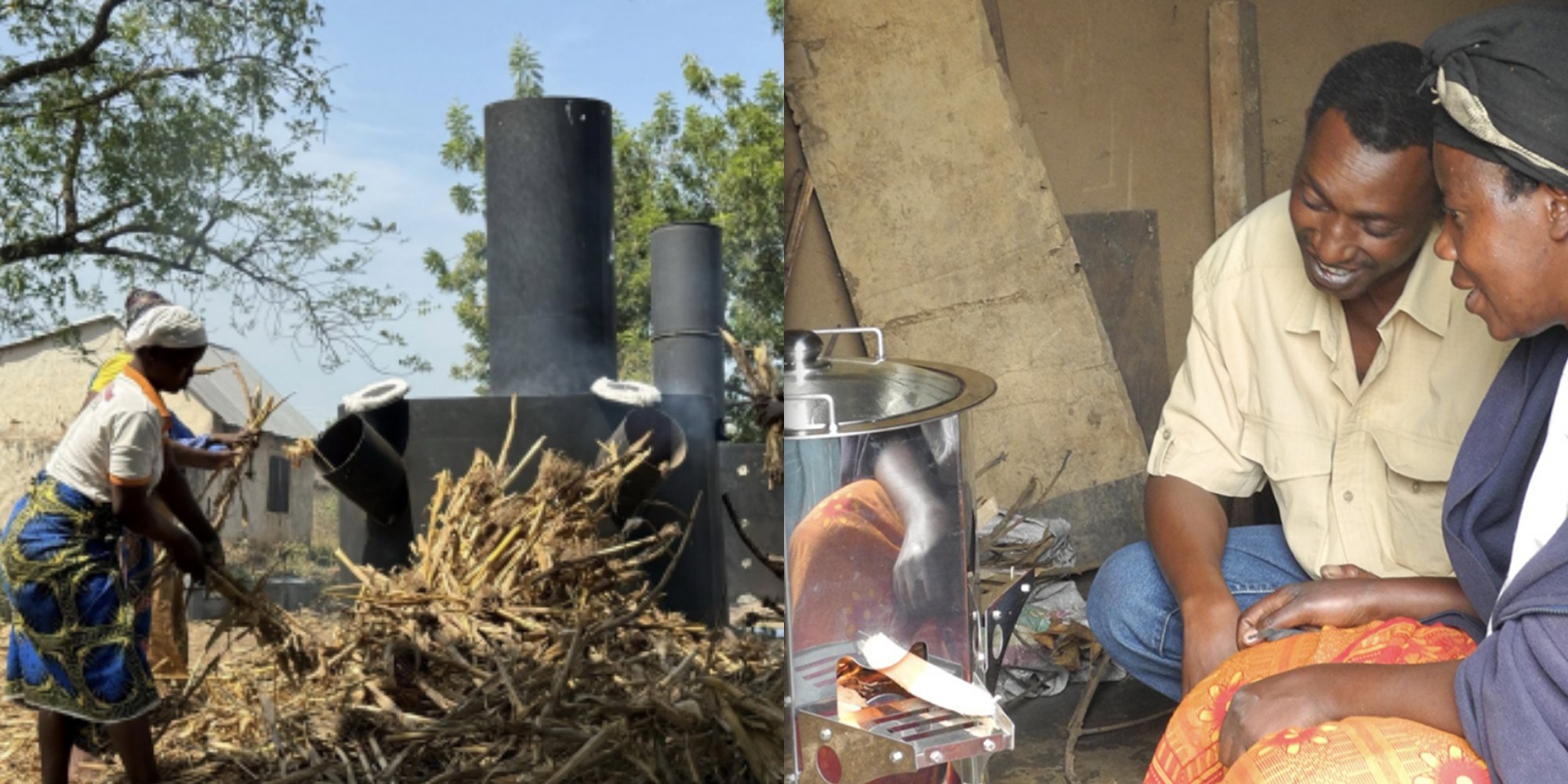
In partnership with atmosfair, the company is now supporting a biochar production initiative in rural northern Ghana. Smallholder farmers convert agricultural crop residues into biochar – a stable, charcoal-like material that locks carbon permanently into the soil rather than releasing it back into the atmosphere. Unlike standard offset certificates, which prevent future emissions, biochar actively removes CO₂ that is already in circulation.
The project carries multiple co-benefits: biochar improves soil water retention and nutrient capacity, reducing farmers' dependence on chemical fertilisers and supporting crop resilience in a region increasingly affected by erratic rainfall. It's a circular solution, and one that sits comfortably alongside the kind of climate adaptation work meteoblue supports through its weather data and environmental intelligence services.
It is our intention to increase involvement in such negative-emissions projects in the coming years.
The Ongoing Rwanda Project
The largest share of the 2025 compensation – 135 tonnes – went to the Rwanda Efficient Cookstoves project, also via atmosfair. The initiative distributes high-efficiency "Save80" stoves to rural households that would otherwise rely on open-fire cooking using firewood, reducing biomass demand (as the name suggests) by up to 80 % per stove. In one of the world's most densely populated countries, where pressure on forest resources is acute, the environmental and public health benefits are remarkable.
Looking Ahead: The Cloud Energy Challenge
The path to 2026 is not without complications. The company's growing use of Google Cloud infrastructure brings with it a less predictable energy mix – a notable contrast to the verified green electricity powering current on-site servers. Managing the climate impact of cloud computing will be a central focus of next year's assessment.
On the ground level, efforts continue to reduce avoidable emissions through smarter commuting choices, office waste management, and the Bike to Work challenge — all small actions that accumulate meaningfully across the team.
Transparency as Standard
Full compensation certificates for 2025 and all prior years are available on the meteoblue Climate Protection Strategy page, where the complete portfolio of CO₂ projects is documented with detail on standards, volumes, and partner organisations.
Weather intelligence is, at its core, a tool for understanding a changing world. Using it responsibly starts at home!