
In the second part of this series, we explore why heat stress is more complex than air temperature alone, how extreme heat affects people, infrastructure and businesses, and how detailed weather and climate information helps identify where the greatest impacts are likely to occur.
Heat is more than air temperature
Air temperature is the weather variable most people follow during a heatwave, yet it represents only one part of the overall picture.
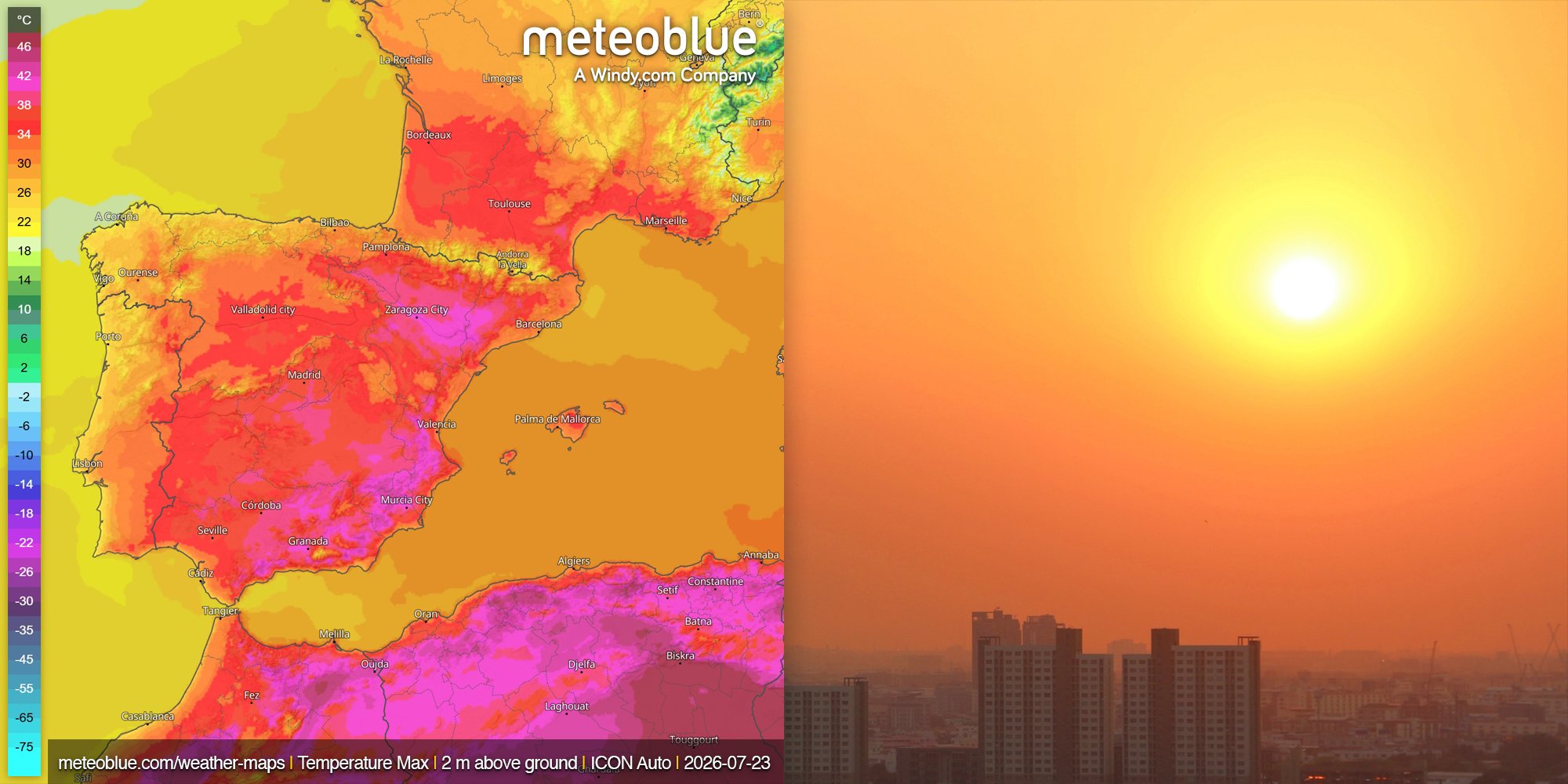
Weather stations measure air temperature inside specially designed shelters that protect the instruments from direct sunlight. People, however, experience the atmosphere very differently. Walking through an open square, sitting on a concrete terrace or working outdoors means being exposed not only to the surrounding air, but also to solar radiation, reflected heat from nearby surfaces, humidity and wind.
Together, these factors determine what meteorologists describe as heat stress.
Solar radiation often has the greatest influence. Standing in direct sunshine on a clear summer day can create a much higher thermal load than standing in the shade, even though the measured air temperature is exactly the same. Surfaces such as asphalt, concrete and building facades absorb large amounts of solar energy during the day and radiate part of this heat back into the surrounding environment.
Humidity is equally important. The human body regulates its temperature primarily through evaporation of sweat. When the air is dry, sweat evaporates efficiently, removing heat from the skin. As humidity increases, evaporation becomes less effective because the surrounding air already contains more water vapour. The body's natural cooling system therefore works less efficiently, making identical temperatures feel considerably hotter.
Wind provides another important cooling mechanism. Even a light breeze replaces the warm, humid air immediately surrounding the skin, allowing sweat to evaporate more efficiently. On calm days this effect is largely absent, increasing thermal discomfort despite identical air temperatures.
Because of these interactions, two days with the same maximum temperature can produce very different levels of heat stress.
Measuring how heat feels
To better describe these conditions, meteorologists increasingly rely on thermal comfort indices rather than air temperature alone.
One of the most widely used is the Physiologically Equivalent Temperature (PET). Unlike conventional temperature measurements, PET combines air temperature, humidity, wind speed and radiation into a single value that estimates how the surrounding environment is experienced by the human body.
PET has become an important tool in biometeorology, public health and urban climatology because it provides a more realistic representation of outdoor thermal conditions. During a heatwave, it often highlights areas where people experience considerably greater heat stress than would be expected from air temperature alone.
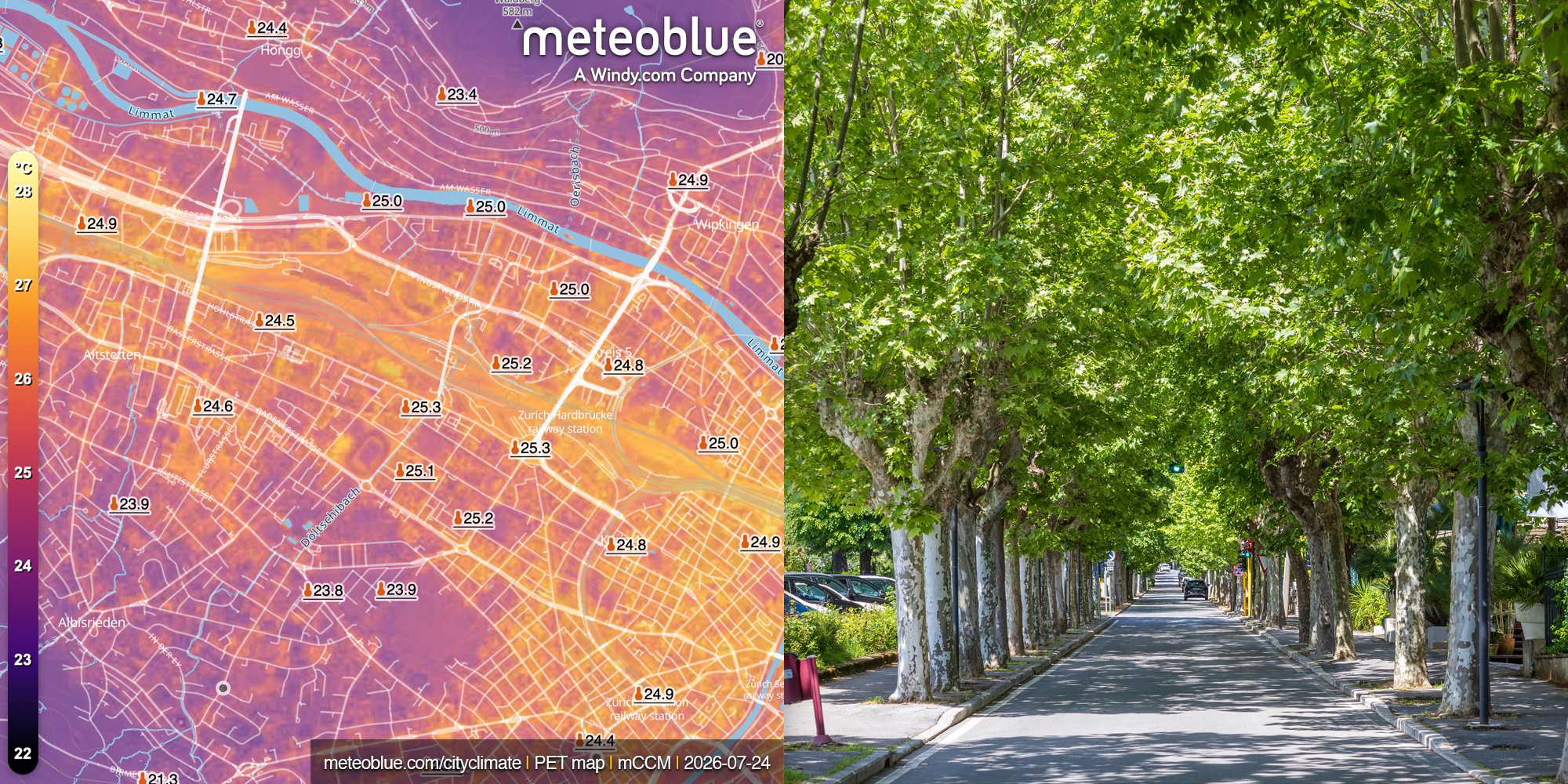
meteoblue PET Maps provide a detailed picture of thermal conditions. Instead of simply showing where the highest temperatures are forecast, they indicate where atmospheric conditions are likely to place the greatest physiological strain on people.
Who is most vulnerable?
Extreme heat affects everyone, but not equally. Older adults, young children and people living with cardiovascular, respiratory or kidney diseases are generally more susceptible because their ability to regulate body temperature is often reduced. Outdoor workers, emergency responders and athletes may also experience higher exposure due to prolonged physical activity under direct sunshine.
Another important factor is the duration of the event. While a single hot afternoon can be uncomfortable, several consecutive days of high temperatures combined with warm nights place much greater stress on the human body. Without sufficient overnight cooling, recovery becomes increasingly difficult.
The World Health Organization and the European Environment Agency have repeatedly highlighted that heat-related health risks increase significantly during prolonged heatwaves, particularly when night-time temperatures remain unusually high.
The growing economic cost of extreme heat
Extreme heat places growing pressure on many sectors simultaneously. In agriculture, prolonged periods of high temperatures increase crop water demand while soil moisture declines rapidly, intensifying drought stress and reducing yields in many regions. Livestock are also affected, as heat stress reduces both productivity and animal welfare. A recent joint report by the Food and Agriculture Organization and the World Meteorological Organization describes extreme heat as a growing challenge across agriculture, forestry and fisheries.
As temperatures climb, electricity demand rises sharply as cooling systems run for longer periods. At the same time, power generation itself can become less efficient. During the European heatwave in June 2026, exceptionally warm river water forced France to temporarily reduce output at several nuclear power plants, while Switzerland lowered production at the Beznau facility after cooling water temperatures exceeded operational limits.
High temperatures also place physical stress on transport infrastructure. Railway tracks expand during prolonged heat, increasing the likelihood of speed restrictions, while roads, bridges and airport operations may also be affected when surface temperatures become exceptionally high.
These impacts ultimately translate into economic losses. According to the latest Lancet Countdown assessment, hundreds of billions of potential working hours are now lost globally each year because conditions become too hot for safe or productive work. Construction, agriculture and manufacturing are among the sectors most affected, although many service industries also experience reduced productivity during prolonged heat events.
What drives local differences in heat stress
Even within a single city, thermal conditions can vary considerably depending on vegetation, building density, surface materials and ventilation. A shaded park may remain noticeably cooler than a nearby square dominated by concrete and asphalt, while densely built neighbourhoods often cool much more slowly after sunset than surrounding rural areas.
Understanding these local variations requires much finer spatial detail than conventional weather forecasts alone can provide.
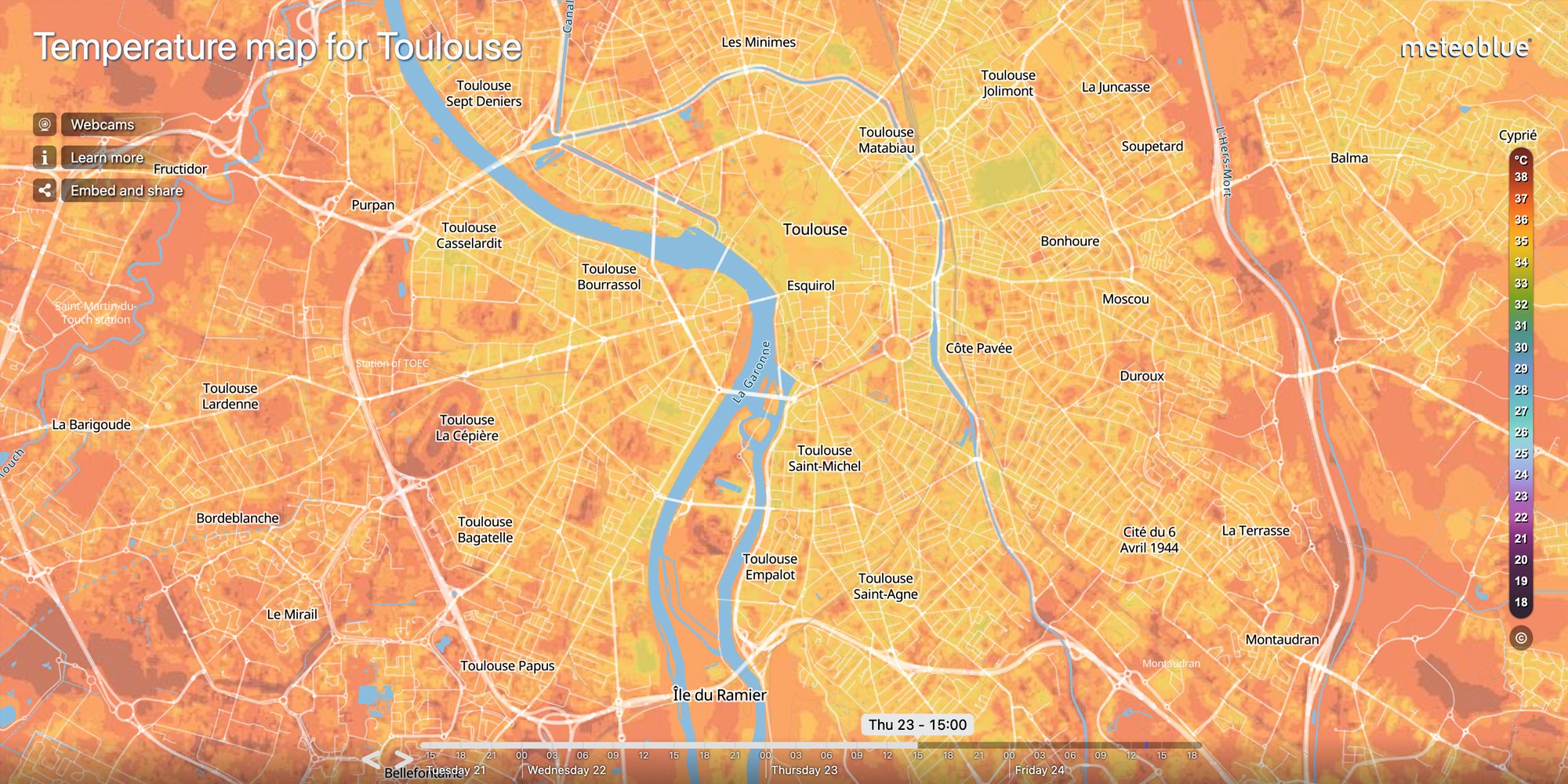
This is the purpose of meteoblue City Climate Solutions. Developed specifically for urban environments, they provide high-resolution weather and climate information that helps cities better understand local climate risks and plan adaptation measures.
One of the key components is Urban Maps, which visualise neighbourhood-scale patterns of air temperature, wind, thermal comfort (PET) and pluvial flood risk. Urban Maps integrate high-resolution weather modelling with satellite observations, land-cover information and local measurements, providing a detailed picture of where heat stress is likely to be greatest and where adaptation measures can have the greatest benefit.
Looking ahead
Heatwaves are becoming an increasingly important feature of the European climate. To understand their full impact, air temperature alone is not enough. Atmospheric circulation determines where heat develops, while humidity, wind, solar radiation and the local environment shape how it is experienced at ground level. Together, these factors explain why heat exposure can vary so much between regions, cities and even neighbouring streets.
This concludes our two-part series on European heatwaves. If you would like to discuss heatwaves, weather forecasting or any of the topics covered in these articles, join the meteoblue Community Forum, where our experts and community members continue the discussion.